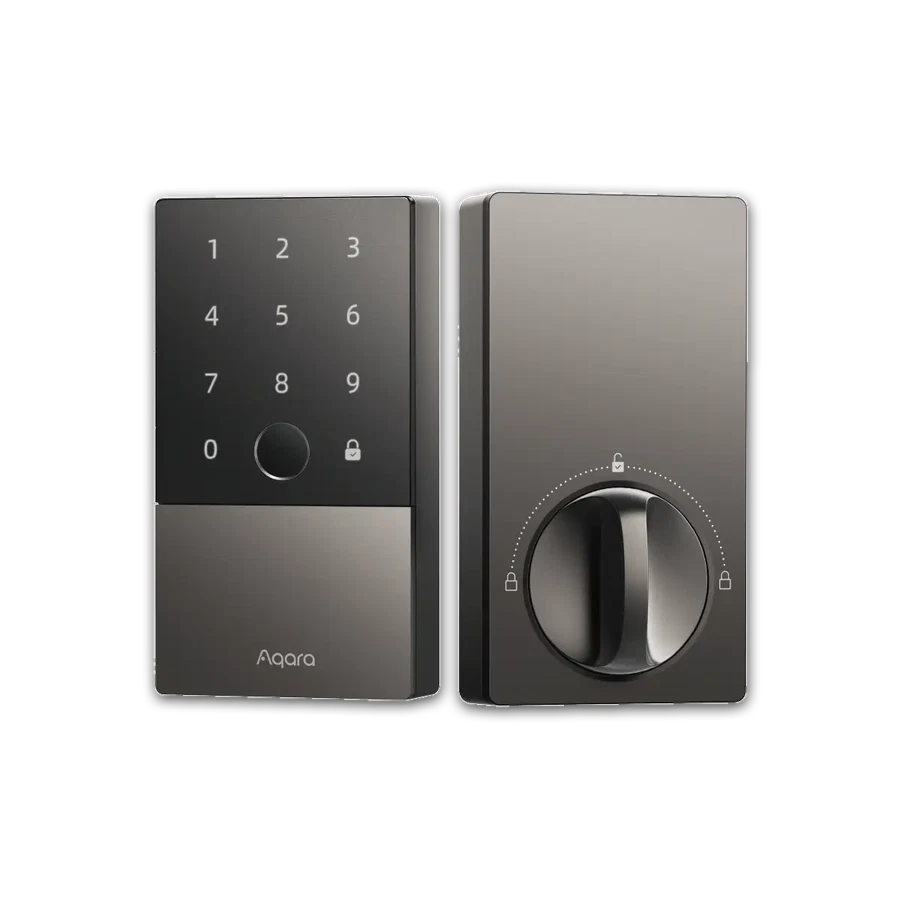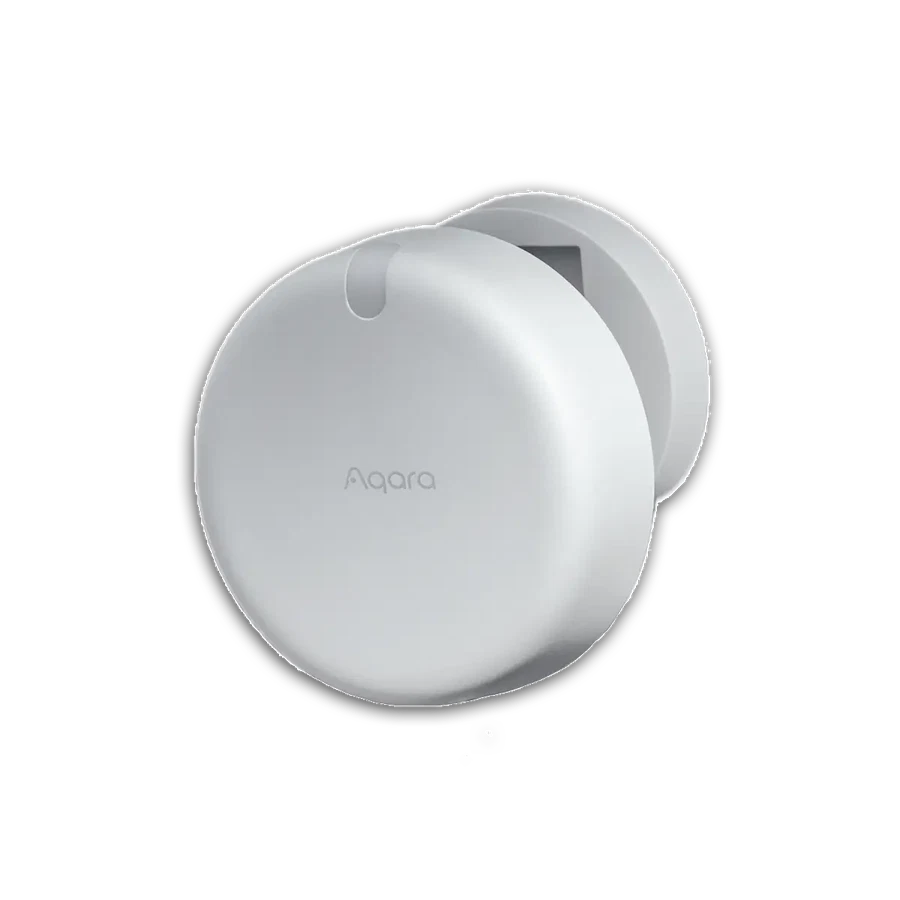
Begin with lighting and comfort needs, then choose the least intrusive suitable sensing method.
Ask which spaces need automatic lighting or a temperature schedule. Separate reception, staff areas and consultation rooms rather than copying one device arrangement everywhere. Occupancy sensing can support a control task without producing a video record, but it still needs an agreed operating purpose.
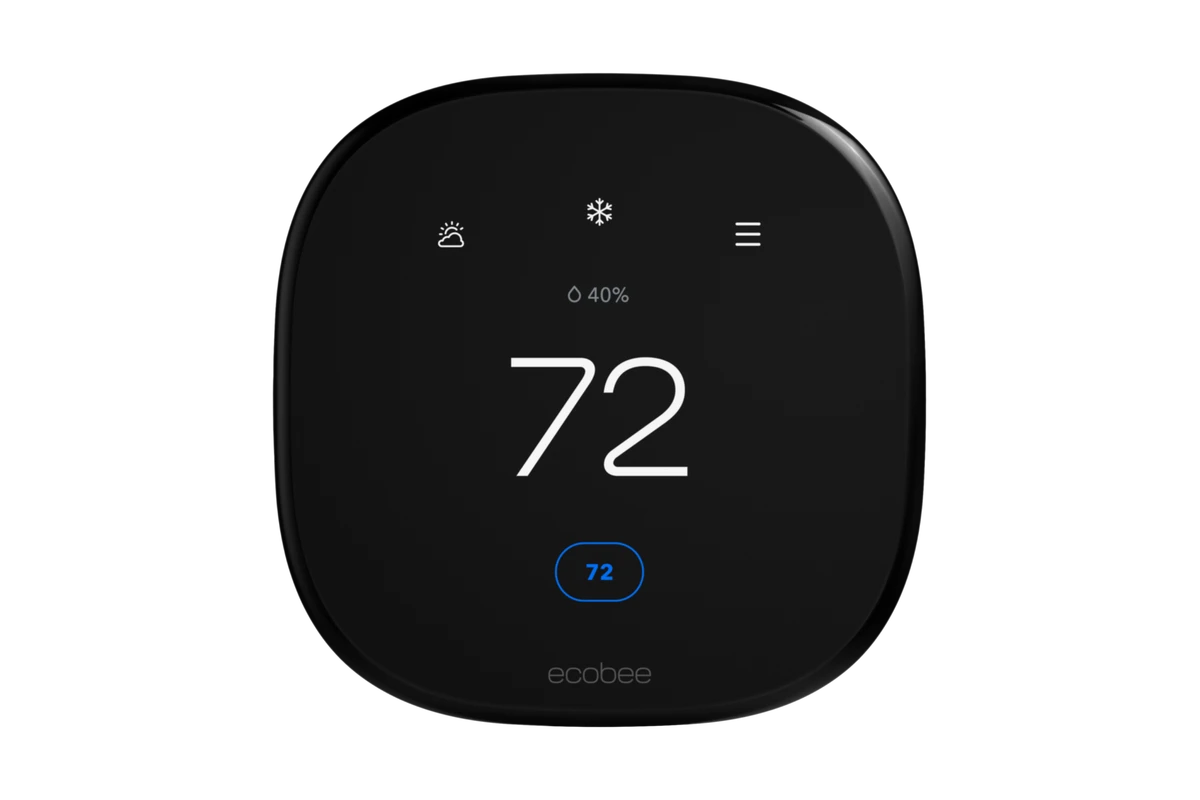
Review placement, power and the exact platform route. A thermostat choice remains dependent on HVAC compatibility, and a presence sensor does not establish a clinical monitoring system. Avoid making medical or regulatory claims about an ordinary comfort upgrade.
Agree who can change settings and how the space will be used during commissioning. Document exclusions clearly, including any areas where recording is not part of the proposal. A restrained, understandable package can be more appropriate than a technology-heavy offer that creates new operational concerns.
Before you order
- Separate reception and consultation-room tasks.
- Choose sensing for the defined control purpose.
- Record settings access and excluded areas.
A useful next step
Discuss a privacy-conscious comfort and control brief with SmartAccess.
Related equipment
Selling smart-home products? Planning a store in Canada or the US?
Talk with SmartAccess about product selection, a demonstration range, installation partners and project delivery. Retailers, dealers, installers and local store operators are welcome.
Product supply, training, service area, cooperation terms and any fees are confirmed in discussion. No revenue or lead volume is promised.
Manufacturer references
Product information comes from the linked manufacturer references. Confirm the exact regional model, seller, current price, stock and installation conditions before purchase.