Selling & opening a store
300 concise buying guides. Find the right device, avoid the wrong purchase, or plan a smart-home business in North America.
100 · Page 1 / 5
Your first smart-home display needs a journey, not a wall of boxes
A compact arrival-to-evening demonstration helps visitors understand what they might actually buy.
Read the buying guide ↗Test an appointment showroom before committing to a full retail floor
The first decision is how buyers will experience the products, not how many shelves to rent.
Read the buying guide ↗Locks, lighting or curtains: choose the category your team can explain
A focused opening assortment is easier to support than a catalogue copied onto shelves.
Read the buying guide ↗What should still work when the showroom internet goes down?
A credible demonstration includes the fallback, not only the impressive automation.
Read the buying guide ↗A door photograph should come before the smart-lock recommendation
The right sales question can prevent a return before a box is opened.
Read the buying guide ↗
A curtain-motor display should include the rail, not just the motor
Customers need to recognise their own hardware before they can choose a retrofit product.
Read the buying guide ↗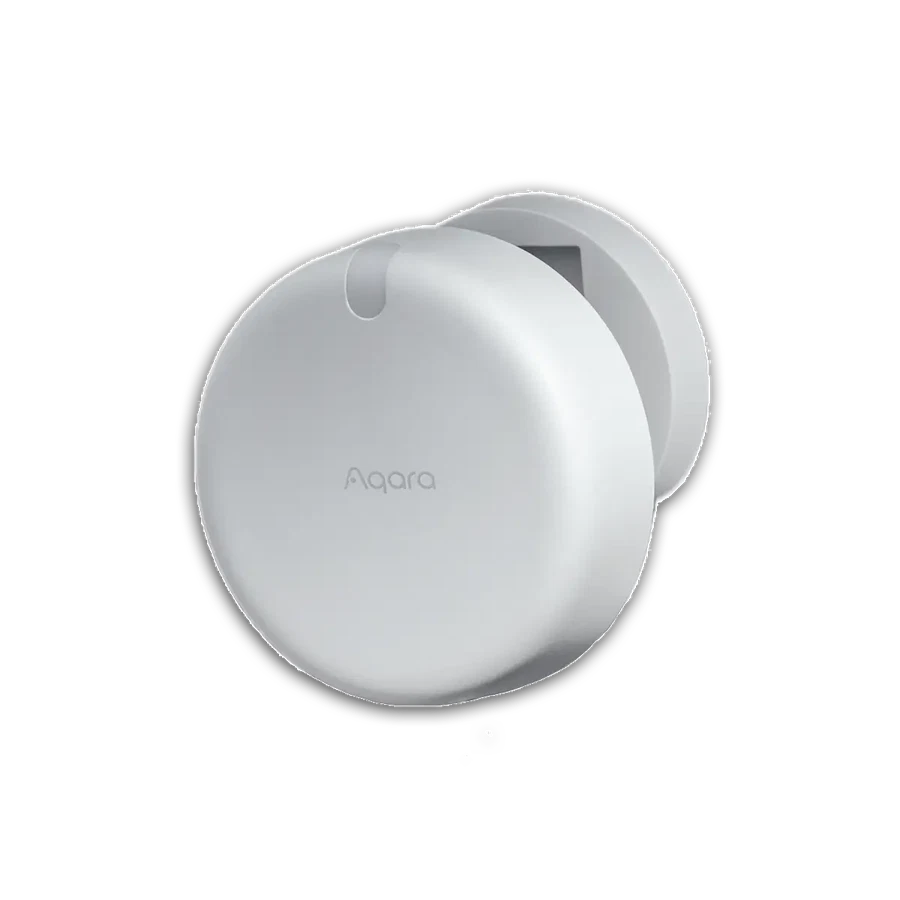
Let customers sit still during a presence-sensor demonstration
A quiet reading or desk scene explains the product better than waving at a sensor.
Read the buying guide ↗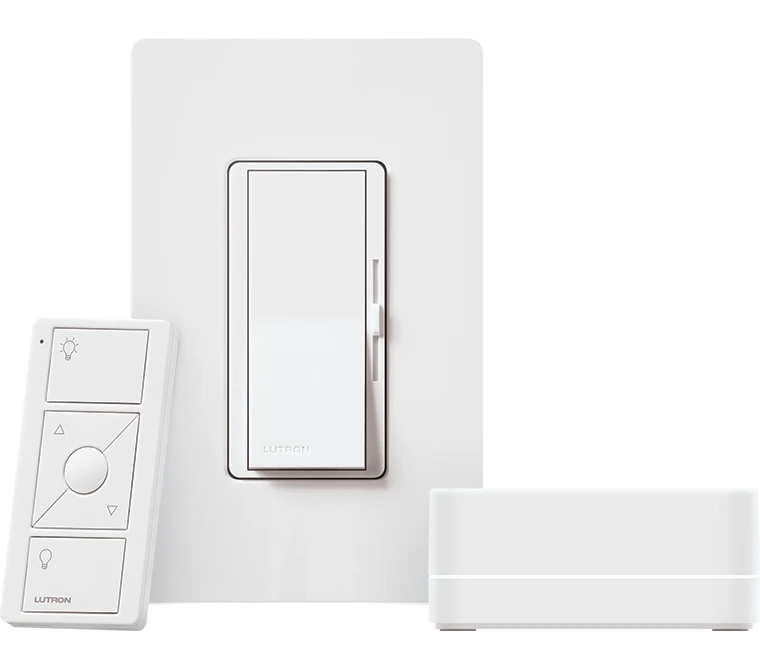
Show the wall control without turning the shop into an electrical workshop
A lighting display should help buyers choose the right category and identify when an installer is needed.
Read the buying guide ↗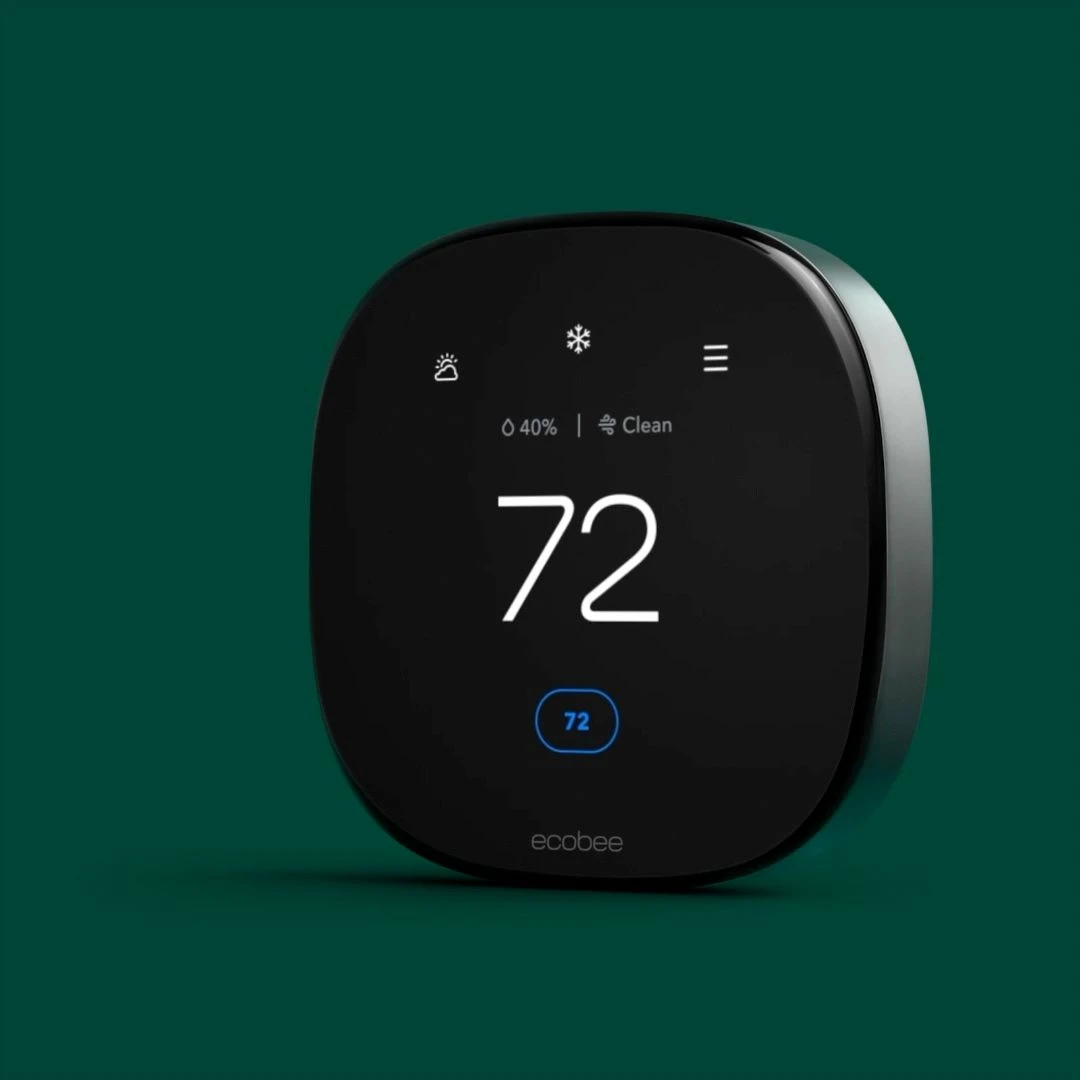
Sell a thermostat with an HVAC intake, not a screen-size comparison
The attractive display matters after compatibility and the intended comfort problem are understood.
Read the buying guide ↗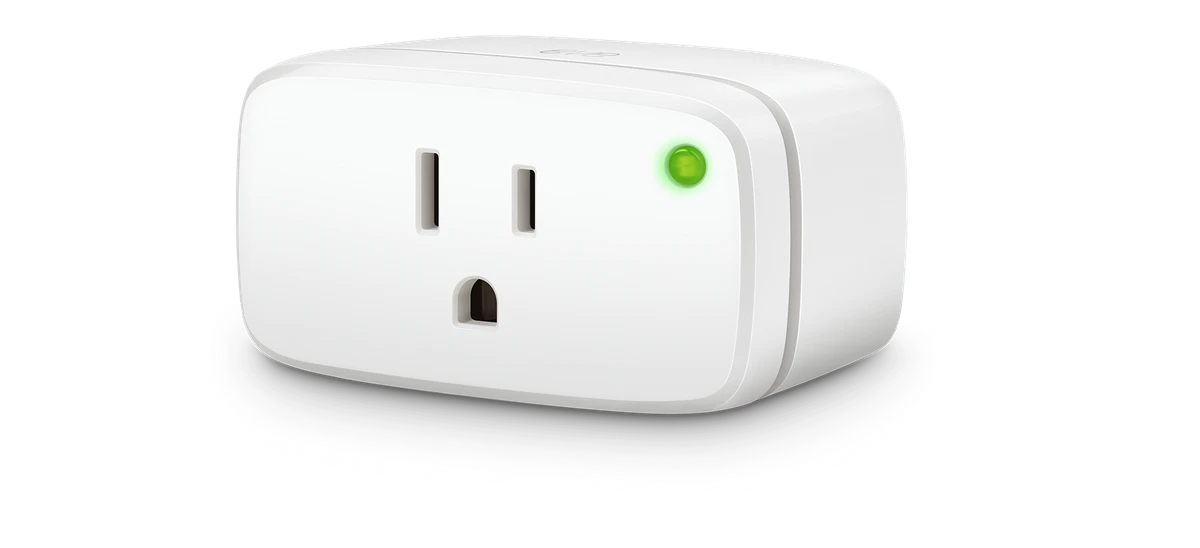
Demonstrate energy monitoring on a lamp before promising building-wide insight
A plug-level reading is useful when the customer understands exactly what is being measured.
Read the buying guide ↗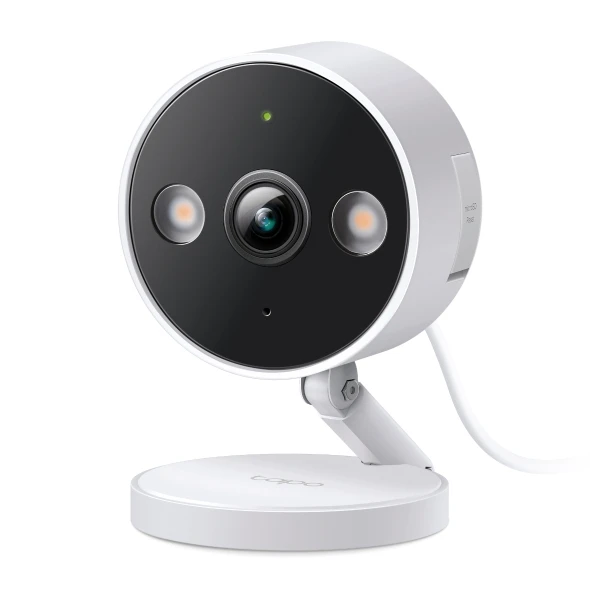
Demonstrate a camera without making shoppers part of the recording
Camera retailing begins with a useful view and an understandable storage choice.
Read the buying guide ↗An equipment price and an installed project price answer different questions
A clear proposal makes the product attractive without hiding the work needed around it.
Read the buying guide ↗Opening stock should follow the questions buyers actually bring
A small assortment can be persuasive when demonstration and replenishment are organised.
Read the buying guide ↗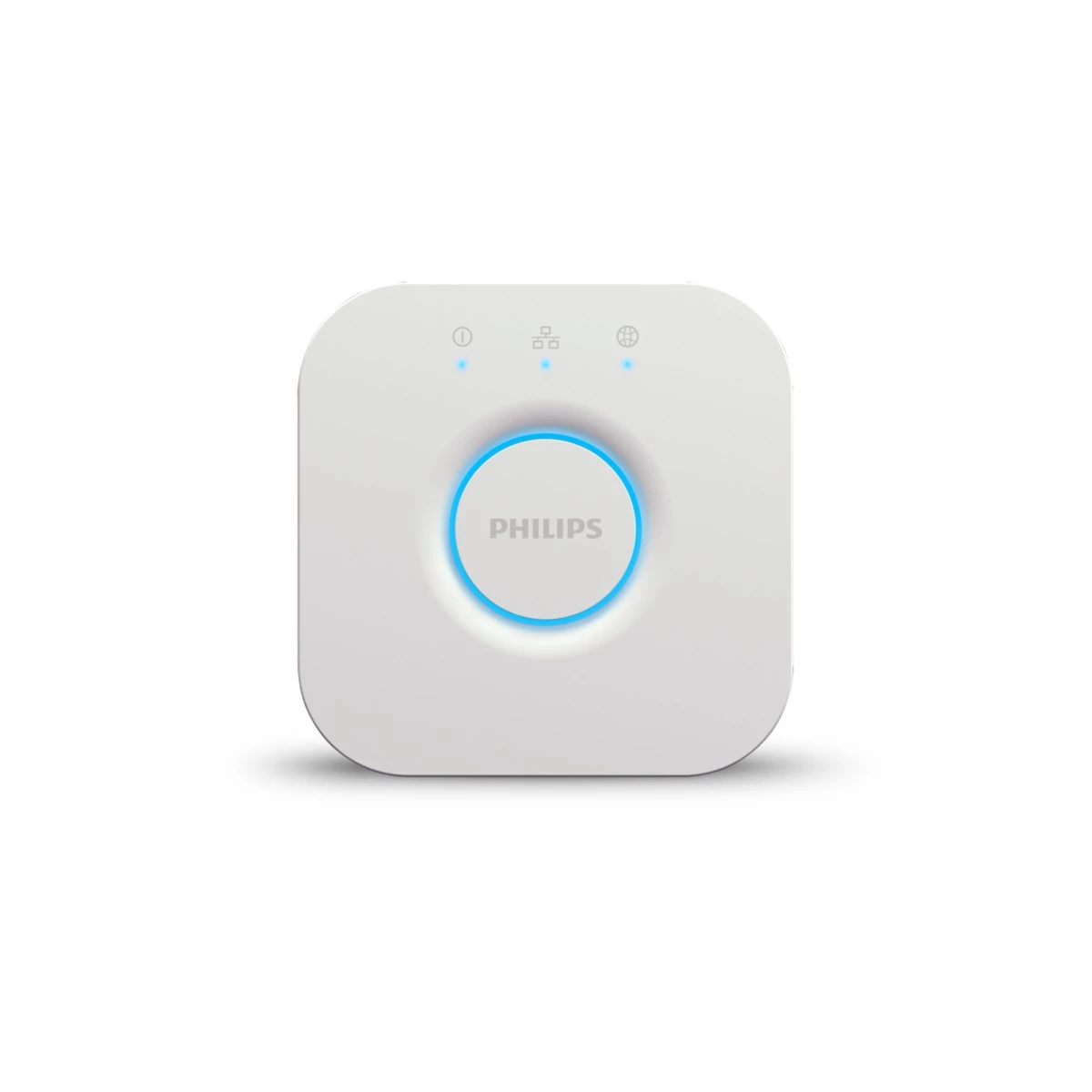
A demonstration sample is an operating tool, not anonymous shop stock
Keep display equipment identifiable so a buyer never inherits the showroom configuration by accident.
Read the buying guide ↗One North American proposal still needs two regional purchase lists
A shared project standard does not erase differences in model, supply and currency.
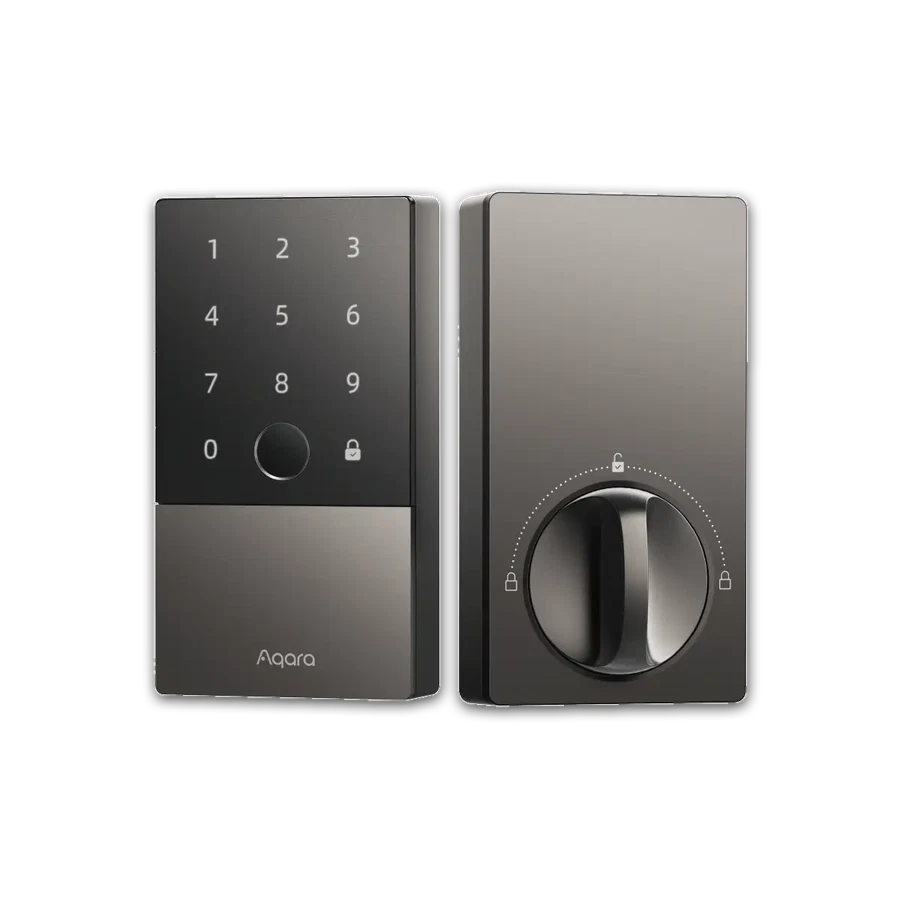
Read the buying guide ↗Display deadbolt and lever locks as different door solutions
The most useful comparison starts with the opening, not a ranking of “better” locks.
Read the buying guide ↗
Build a regional SKU sheet before printing a dealer catalogue
The catalogue should describe what you can actually specify for the customer’s destination.
Read the buying guide ↗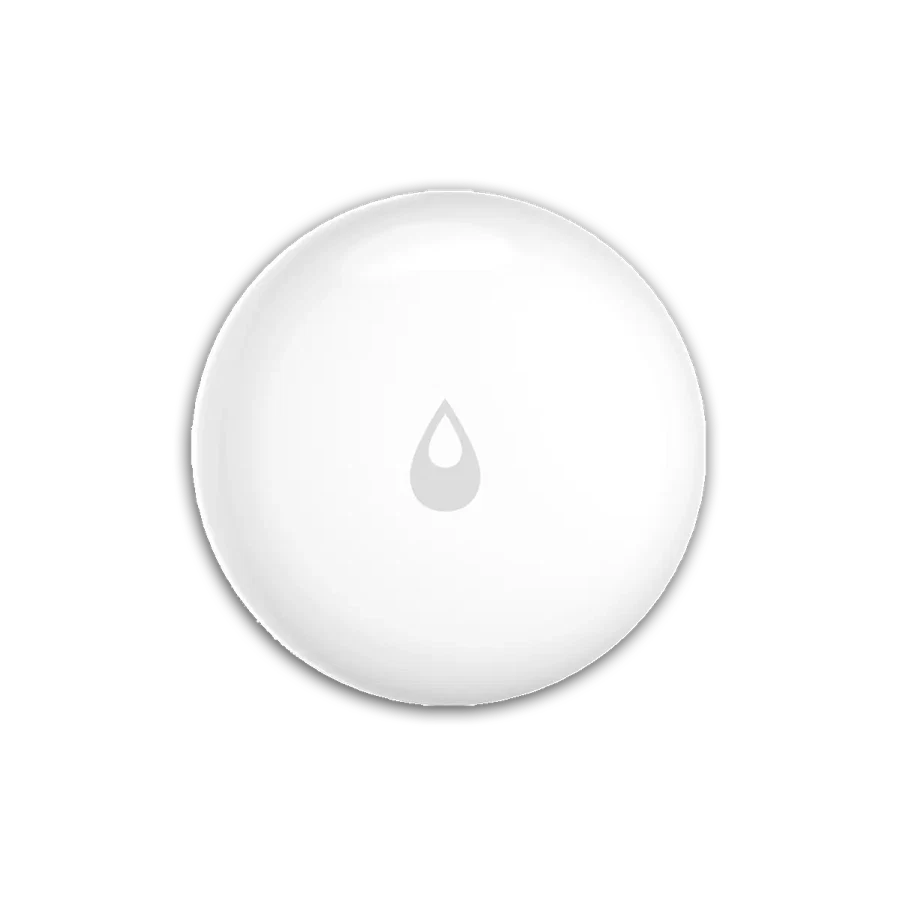
A sensor bundle should show the hub in the picture and the price basis
The small device is only part of the system the buyer needs to understand.
Read the buying guide ↗Prevent a fitting return before asking the customer to open the box
A short pre-sale check can be a better sales tool than a reassuring but vague promise.
Read the buying guide ↗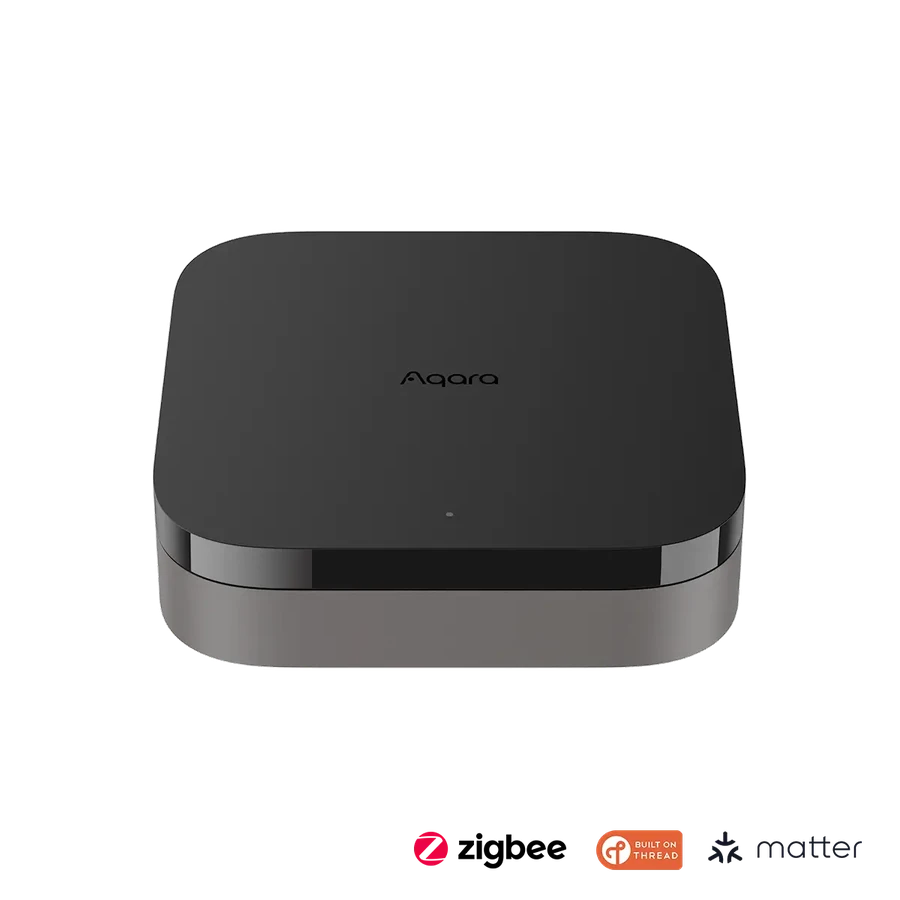
Ask the supplier these operational questions before listing the product
A recognisable brand is useful; a clear fulfilment process makes it sellable.
Read the buying guide ↗Keep uncertain project items conditional until the fitting check is complete
A promising enquiry should not automatically become a warehouse commitment.
Read the buying guide ↗
Give a new product a pilot before adding it to the standard offer
A launch announcement is a reason to investigate, not a replacement for delivery knowledge.
Read the buying guide ↗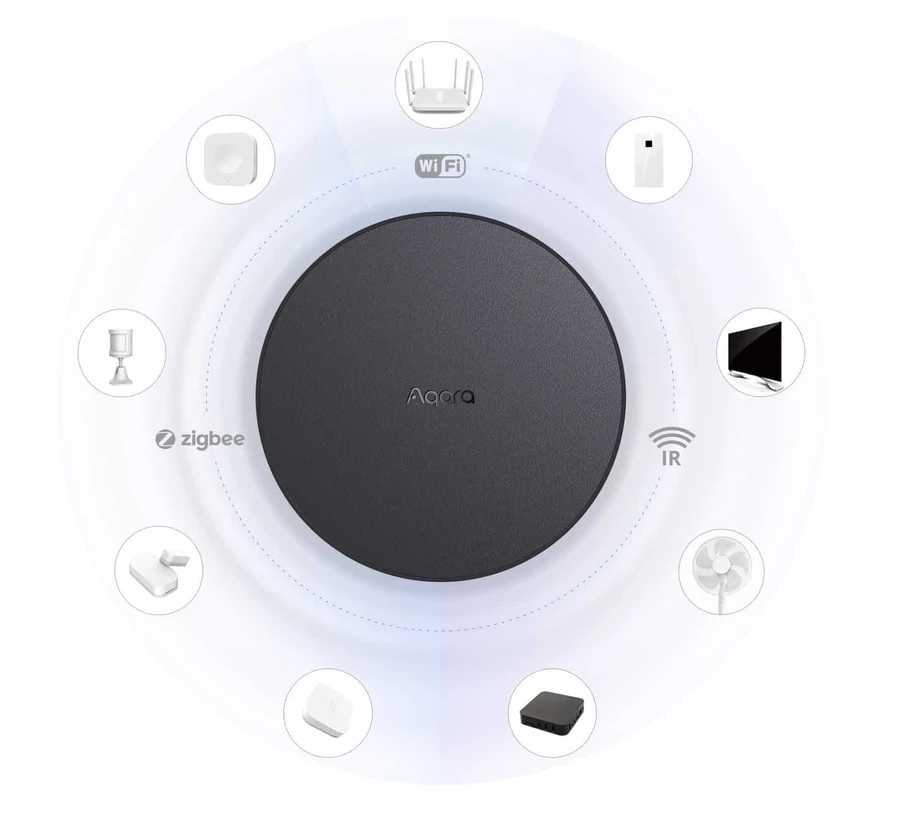
Older smart-home stock needs a clear role, not a disguised clearance story
A previous-generation product can still be useful when the buyer knows what it does not include.
Read the buying guide ↗Battery service belongs in the shop plan before the first maintenance call
A useful accessory offer starts with exact device requirements and a record of replacement.
Read the buying guide ↗Selling smart-home products? Planning a store in Canada or the US?
Talk with SmartAccess about product selection, a demonstration range, installation partners and project delivery. Retailers, dealers, installers and local store operators are welcome.
Product supply, training, service area, cooperation terms and any fees are confirmed in discussion. No revenue or lead volume is promised.