Test representative difficult points before fixing hub and sensor quantities.
A property with concrete floors, service shafts and metal enclosures can challenge a wireless layout that looked simple on paper. Identify the difficult points first: a lower-level water sensor, a door behind a fire separation or a hub inside a cupboard.
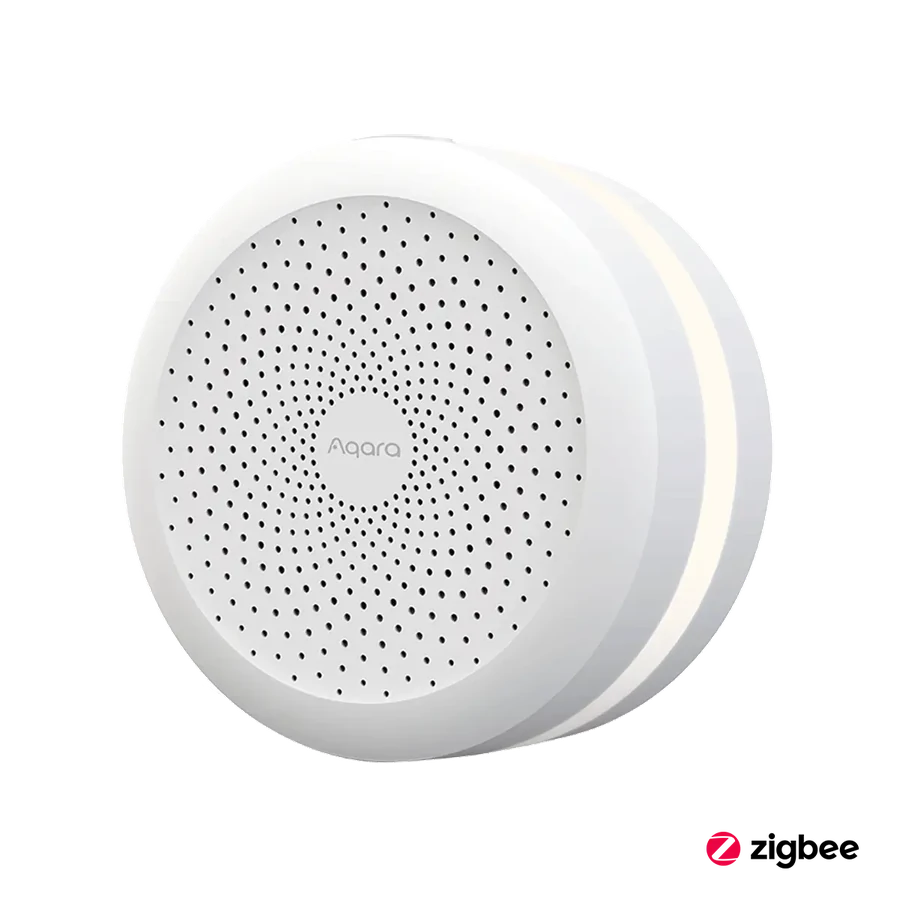
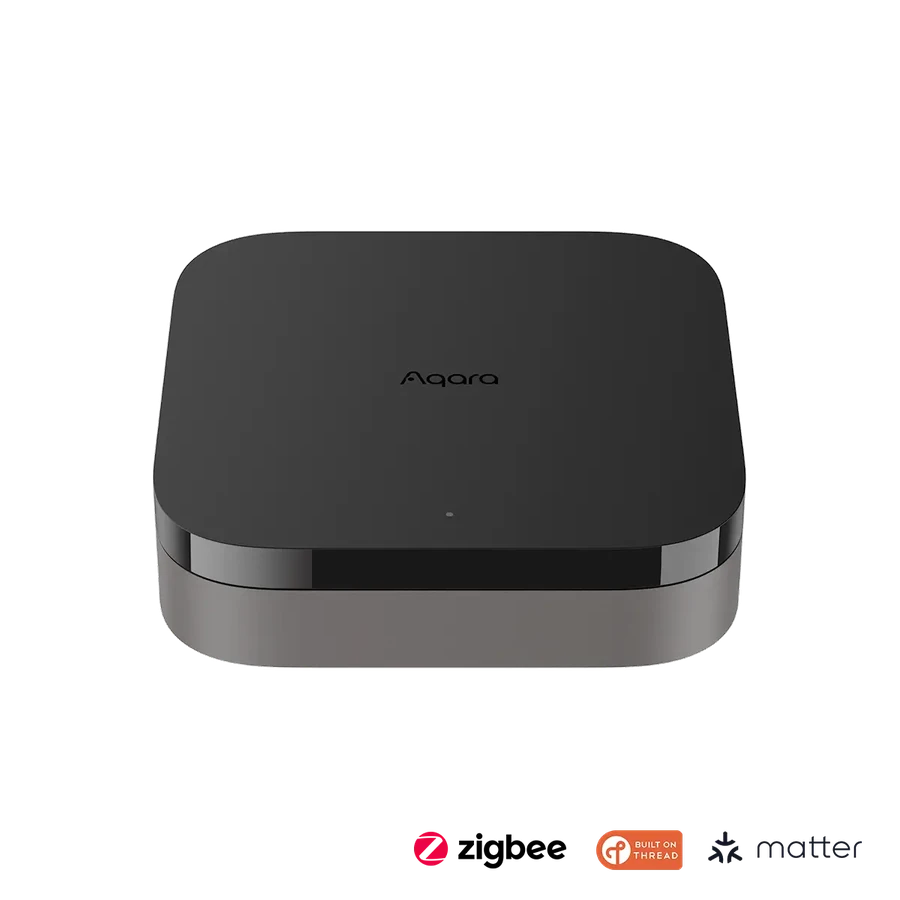
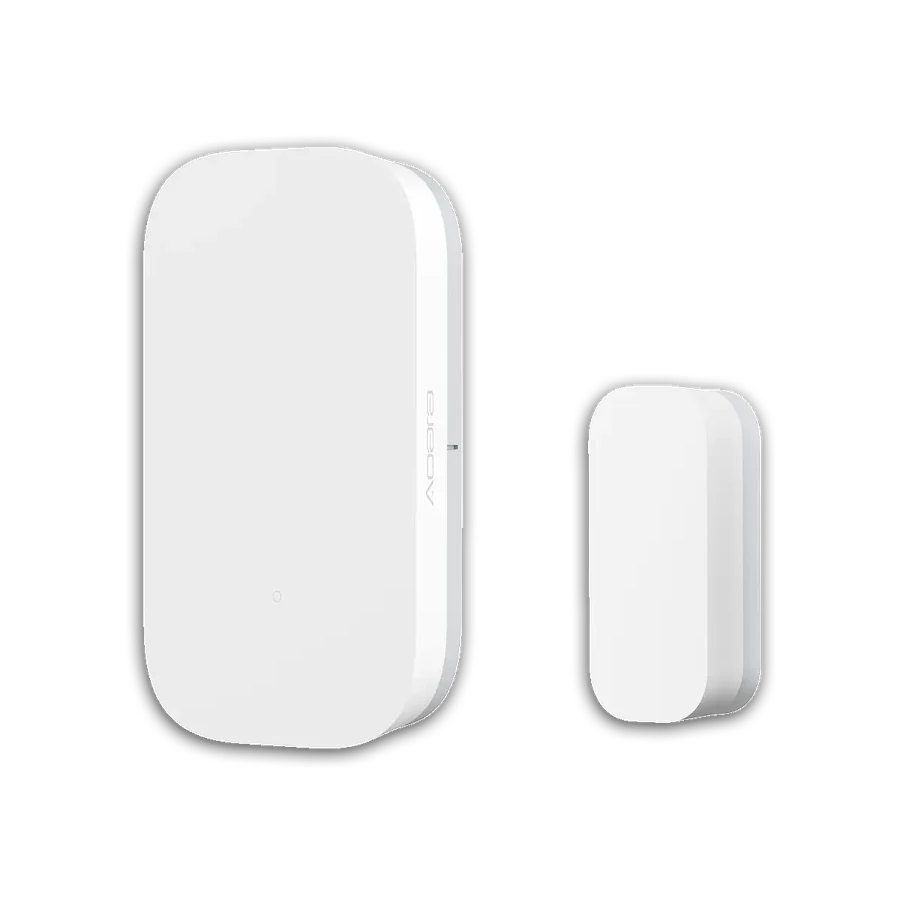
An M3 and supported Aqara sensors are candidate components, but exact device support and physical coverage still need review. Do not assume that every powered device repeats every protocol or that adding one hub solves all floors. Keep the proposed network roles clear in the list.
Run a bounded pilot and record both the successful location and the installation conditions. If the layout changes later, repeat the relevant checks. The useful buying result is an evidence-based quantity and placement plan rather than a large sensor order that discovers its hard cases only after residents move in.
Before you order
- Mark concrete, metal and enclosed locations.
- Verify protocol roles for each device.
- Test representative difficult points.
A useful next step
Request a difficult-point pilot before finalizing the hub and sensor schedule.
Related equipment
Selling smart-home products? Planning a store in Canada or the US?
Talk with SmartAccess about product selection, a demonstration range, installation partners and project delivery. Retailers, dealers, installers and local store operators are welcome.
Product supply, training, service area, cooperation terms and any fees are confirmed in discussion. No revenue or lead volume is promised.
Manufacturer references
Product information comes from the linked manufacturer references. Confirm the exact regional model, seller, current price, stock and installation conditions before purchase.