Describe the exact model and supported task; do not borrow the newer model’s capabilities to make old stock look current.
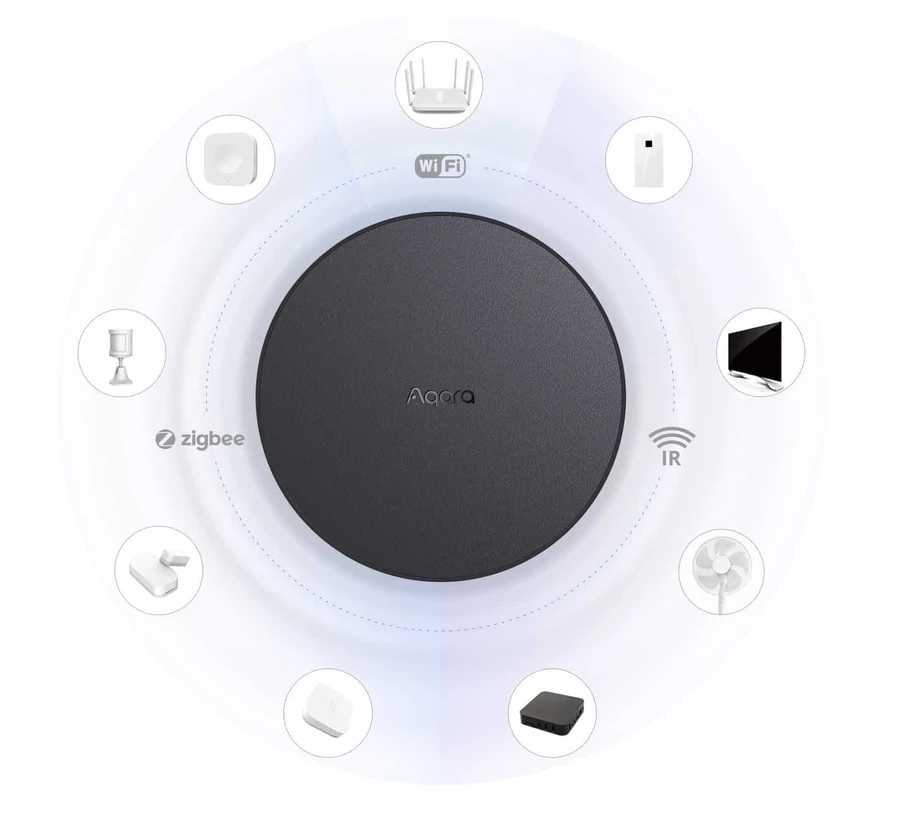
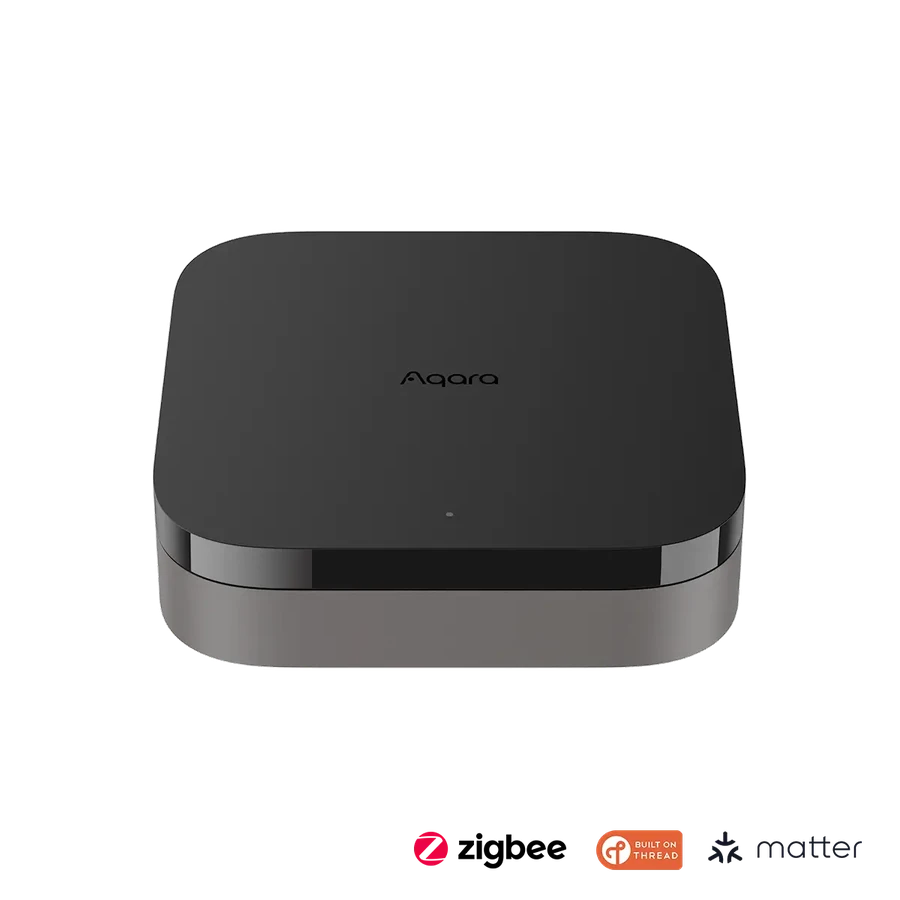
Identify the equipment by its printed model number and region, not only by a generic “smart hub” label. Ask which devices and automations the buyer needs. The relevant comparison is whether that specific hub supports the proposed job, not which box looks newer.
Keep firmware, support information and package condition available. Avoid promising future features or indefinite compatibility. If a buyer needs a function associated with a different architecture, explain the alternative instead of hiding the limitation behind a discount.
Maintain a separate inventory label for legacy or discontinued items where applicable. A lower purchase cost is useful only when the product can still meet the agreed scope. The sales record should make that choice understandable to the customer and to the person supporting it later.
Before you order
- Identify the exact generation and regional package.
- Match the actual required functions to the model.
- Disclose condition and any verified legacy status.
A useful next step
Ask SmartAccess to review the proposed role before including older stock in a project.
Related equipment
Selling smart-home products? Planning a store in Canada or the US?
Talk with SmartAccess about product selection, a demonstration range, installation partners and project delivery. Retailers, dealers, installers and local store operators are welcome.
Product supply, training, service area, cooperation terms and any fees are confirmed in discussion. No revenue or lead volume is promised.
Manufacturer references
Product information comes from the linked manufacturer references. Confirm the exact regional model, seller, current price, stock and installation conditions before purchase.