Smart-home buying guides.
300 concise buying guides. Find the right device, avoid the wrong purchase, or plan a smart-home business in North America.
300 · Page 11 / 13
A porch lighting upgrade starts with fixture exposure
An indoor smart-bulb listing is not automatically an outdoor solution.
Read the buying guide ↗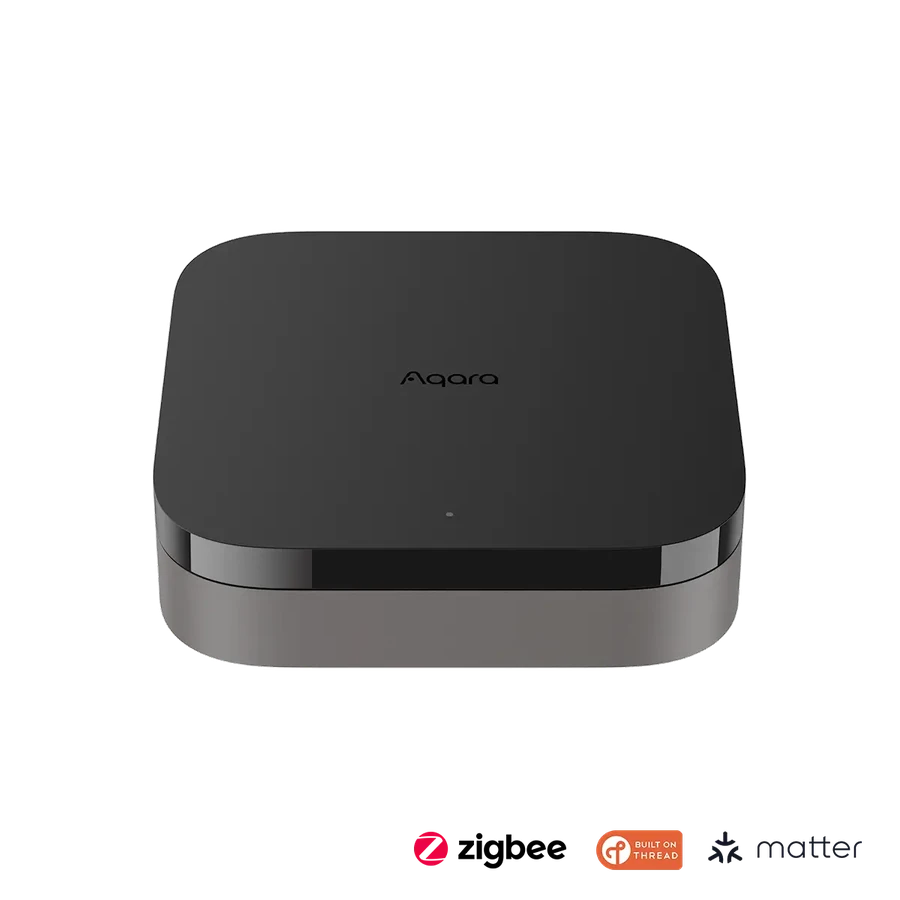
A firmware assumption belongs beside the integration promise
A repeat order can behave differently when the software conditions have changed.
Read the buying guide ↗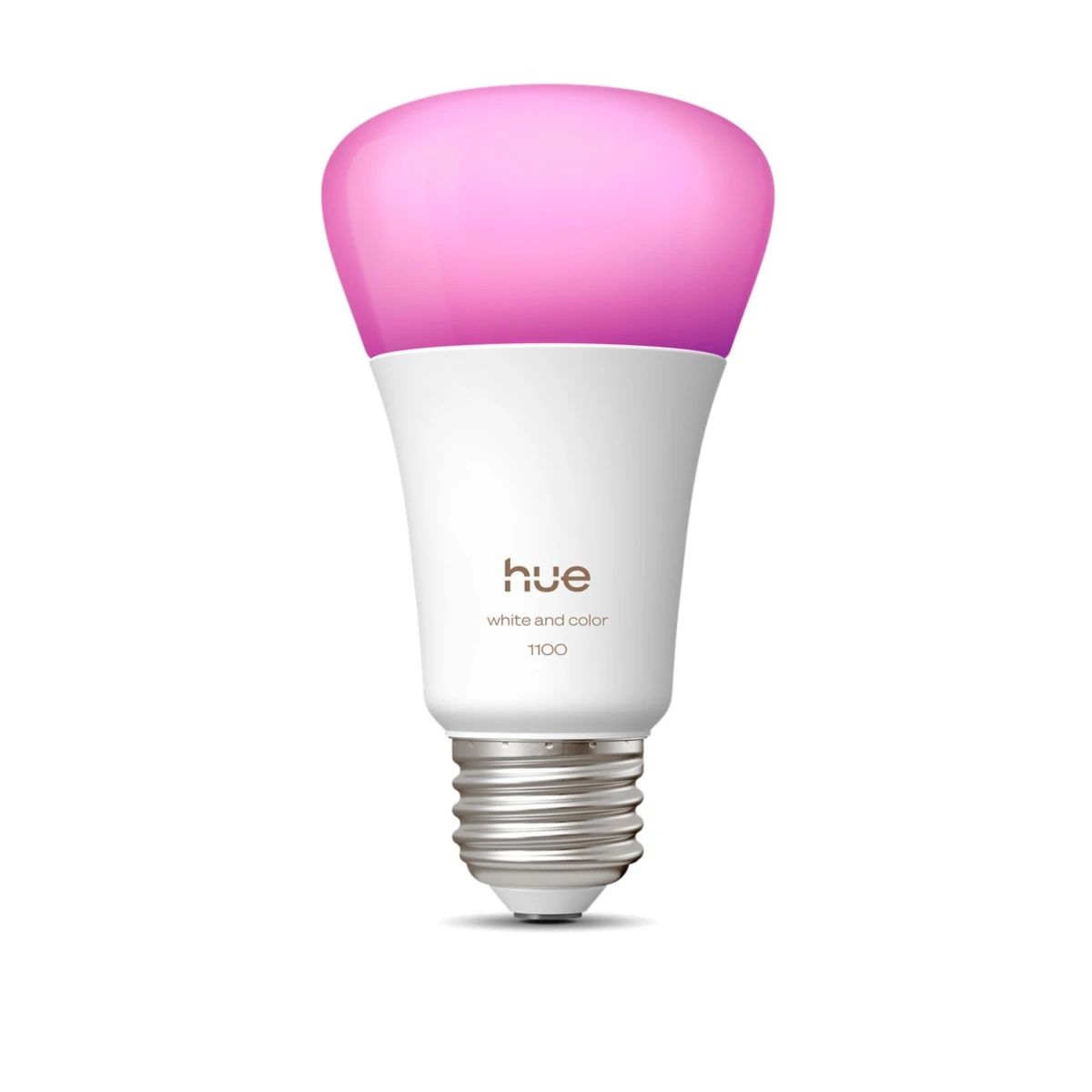
Colour behind the camera is different from light on the face
Buy background lighting for its intended role in a creator's room.
Read the buying guide ↗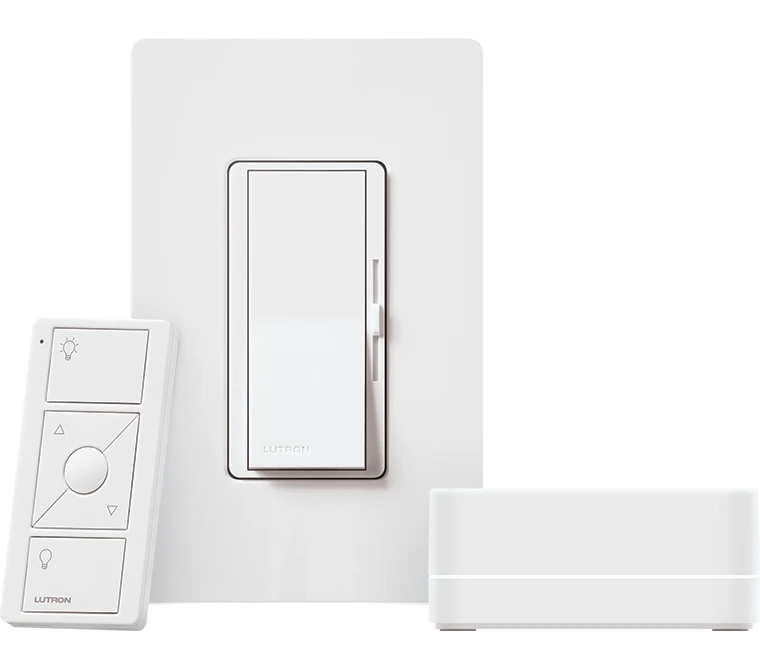
Stage deliveries around ready work areas, not a single impressive shipment
Bulk purchasing does not require every device to arrive before the site can use it.
Read the buying guide ↗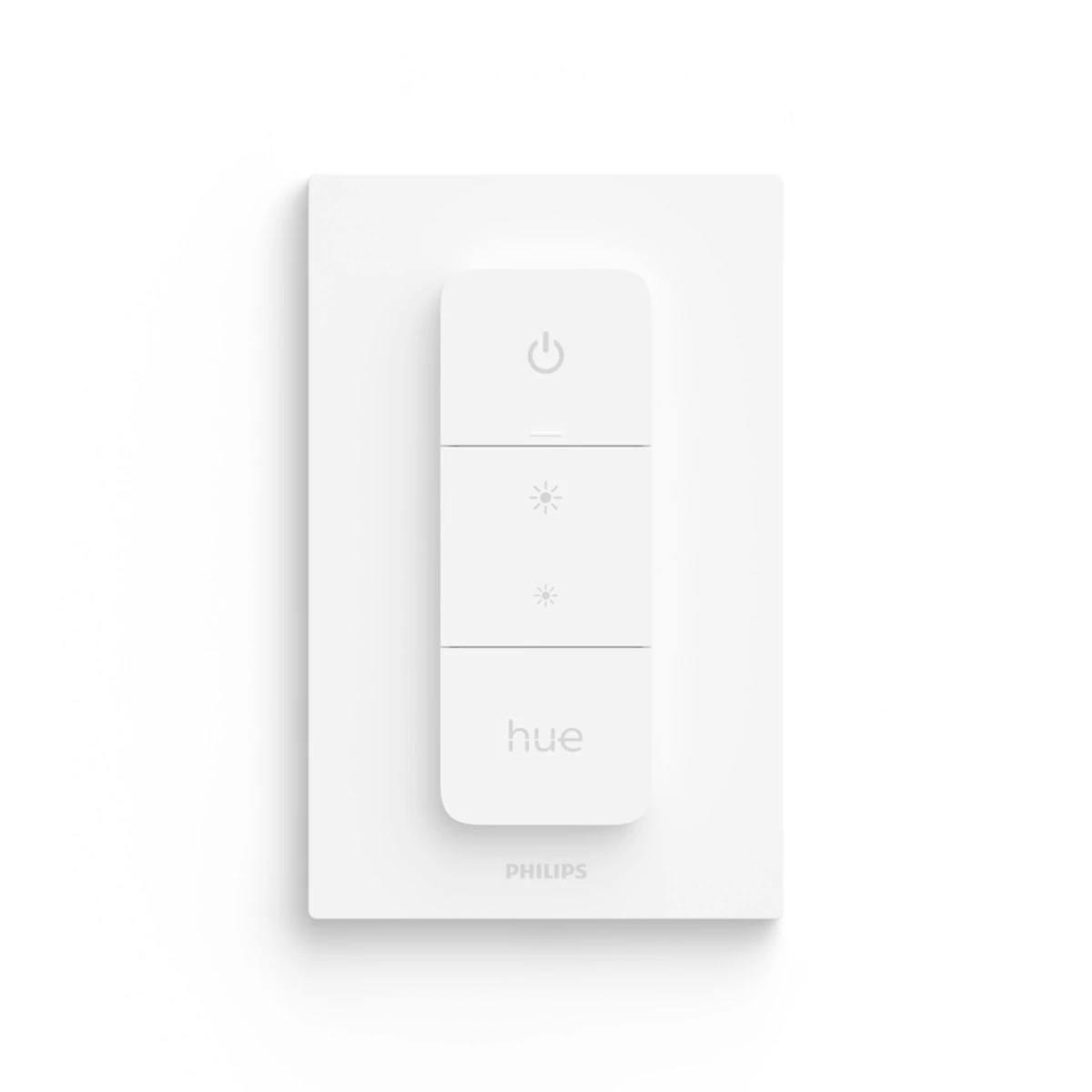
The movie-night scene should have a button everyone recognizes
Make a useful lighting routine available without handing over a phone.
Read the buying guide ↗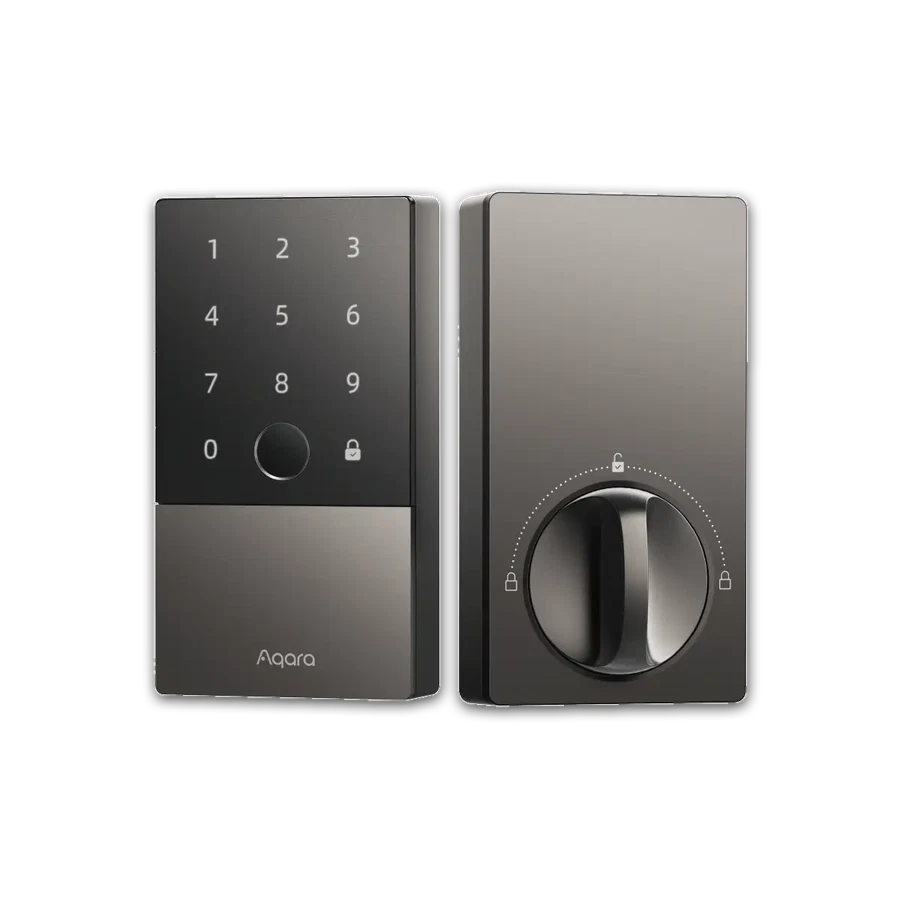
Installation labour and commissioning should not disappear inside the hardware line
The customer can make a better decision when the work around the device is visible.
Read the buying guide ↗The dining-room dimmer should be tested at the brightness you actually want
A lamp lighting up at full power does not prove a comfortable dinner scene.
Read the buying guide ↗Decide who owns the smart-home accounts before the equipment arrives
An installation is harder to hand over when the ownership conversation happens at the end.
Read the buying guide ↗
Offer maintenance as defined work, not a vague promise to look after everything
A customer needs to know what future help actually covers before agreeing to it.
Read the buying guide ↗
A small scene change can still change the purchase list
Keep the customer’s revised goal connected to devices, work and acceptance.
Read the buying guide ↗Label inventory so the right variant reaches the right project
A tidy storeroom needs more than a shelf name for each brand.
Read the buying guide ↗A device that will not set up needs diagnosis before it becomes a return
Receiving checks should distinguish a missing prerequisite from a suspected hardware fault.
Read the buying guide ↗
Returned connected devices need a completeness and ownership check
A clean exterior does not tell you whether the box is ready for any future use.
Read the buying guide ↗Verify the supply path before using a brand name to build trust
A recognisable box does not establish your business’s relationship with the manufacturer.
Read the buying guide ↗Use product images to clarify the offer, not imply an installation you did
A strong dealer page distinguishes the device, the proposed setting and the evidence of completed work.
Read the buying guide ↗
Put a date and market beside every price reference
Buyers need to know whether they are reading a current offer or an example used for planning.
Read the buying guide ↗
Ask where warranty support will happen before buying across borders
A product’s technical fit and its support route are separate purchasing questions.
Read the buying guide ↗
A substitute product needs a new decision, not just a similar category
Two presence sensors can look like reasonable alternatives while supporting different project assumptions.
Read the buying guide ↗Test the cross-brand scene before naming it a standard bundle
A package should be defined by reproducible behaviour, not by a photograph of popular products.
Read the buying guide ↗A support escalation should carry evidence, not just “it stopped working”
A clear fault brief helps the right party decide what to do next.
Read the buying guide ↗A renovation partner needs a project trigger, not another general brochure
Make the cooperation offer useful at a moment when the contractor can still influence the installation.
Read the buying guide ↗Help interior designers specify the experience without guessing the electronics
Design cooperation works best when the visual intent becomes a testable product brief.
Read the buying guide ↗A staging demonstration should leave no confusion about what the buyer gets
Temporary presentation and a permanent installed upgrade are different offers.
Read the buying guide ↗A developer upgrade sheet should show what changes for the resident
The useful sales document connects an option to daily use and a defined handover.
Read the buying guide ↗Selling smart-home products? Planning a store in Canada or the US?
Talk with SmartAccess about product selection, a demonstration range, installation partners and project delivery. Retailers, dealers, installers and local store operators are welcome.
Product supply, training, service area, cooperation terms and any fees are confirmed in discussion. No revenue or lead volume is promised.